A complete guide to house renovation for profit in New Zealand
Key Takeaways
Successful value-add projects rely on careful preparation and disciplined fiscal oversight throughout every phase of the renovation lifecycle. These essential points ensure your next venture hits its financial targets while maintaining high quality standards:
- Conduct deep-dive market research to pinpoint suburbs with consistent growth trajectories.
- Establish a rigid budget that includes hefty buffers for unexpected structural discoveries.
- Focus on functional, high-impact improvements that resonate with the majority of local buyers.
- Leverage professional teams and compliant tradespeople to protect project timelines and quality.
- Implement a calculated exit strategy considering local tax implications and market cycle conditions.
Market research and property selection
Identifying profitable projects starts well before you pick up a paintbrush or secure a property. A systematic approach to data analysis helps you move past speculation and choose assets grounded in genuine buyer demand. By observing local trends and identifying infrastructure developments, you can position your capital in areas poised for long-term appreciation.
Identifying high-growth suburbs in New Zealand
Look for regions where infrastructure investment meets demographic shifts. Proximity to transport corridors and developing commercial hubs often dictates the ceiling for house prices in a given area. Investors often look for specific suburbs that have been historically undervalued but are now becoming attractive to first-home buyers looking for alternatives to the central city.
Assessing the potential for value-add through renovations
Not every neglected house offers a solid return on investment. You need to distinguish between properties needing cosmetic updates and those requiring major structural repairs that could diminish your bottom line. Evaluating the cost-to-value ratio is a fundamental skill for any active investor looking for private property deals.
Understanding zoning and council building consents in local regions
Compliance remains a non-negotiable factor in any renovation strategy. Understanding the specific planning rules of your local council, such as height restrictions or boundary requirements, prevents costly delays later. Staying informed about permitted, non-notified upgrades can save significant time on administrative processing.
Avoiding over-capitalisation in specific housing markets
Know the local 'price wall'— the market value that buyers in a specific suburb are unlikely to exceed, regardless of how many luxury features you add. It is essential to exercise calculated financial restraint when choosing materials and design concepts to ensure the investment remains viable. Research indicates that keeping your project's total cost below the area's top-quartile sale price is the safest play.
Budgeting and financial planning
Financial discipline acts as the framework for every profit-driven renovation. Without a stringent grasp on your capital movement, even the most promising home improvements can turn into a drain on your liquidity. Successful renovators treat their renovation budgets with the same rigour an institutional investor uses when evaluating private property capital.

Calculating purchase price versus target resale value
Reliable profit margins rely on working backwards from the expected end market value. Deducting acquisition costs, interest rates, holding costs, and your target profit margin from the current market value leaves you with the maximum allowable purchase price for the property.
Setting aside contingency funds for unforeseen structural issues
Old housing stock often hides defects in wiring, plumbing, or timber framing that only reveal themselves once the work starts. Budgeting an additional 15-20% for these surprises is standard practice among experienced renovators. Having this capital ready allows you to maintain momentum without scrambling for funds mid-project.
Financing renovation projects with New Zealand lenders
Funding your dream renovation requires exploring various avenues beyond traditional bank loans. Many investors now seek private money direct from other principals as a means to speed up their funding cycle. This alternative route often avoids the rigid constraints of institutional lenders, allowing for a more transactional and collaborative approach to capital acquisition.
Managing expenses to maintain a healthy profit margin
Tracking every cent from the initial purchase to the final staging invoice is vital for calculating your actual return. Monitoring costs via a simple tracker helps refine future projections, ensuring each project iteration is more efficient than the last. Below is a common breakdown of expense allocation for a renovation project.
| Expense Category | Allocation Target | Notes |
| :--- | :--- | :--- | |
| Labour Costs | 35% | Licensed practitioners only |
| Materials | 30% | Mid-range, durable goods |
| Contingency | 15% | Reserved for structural unforeseen |
| Holding/Sales | 20% | Includes staging and commissions |
This allocation helps maintain a disciplined buffer while preventing the drift that often occurs in complex renovation works.
Prioritising high-impact renovation projects
Focusing your energy on areas that provide the greatest perceived value makes every dollar count. Buyers generally look for comfort and finish, so prioritising cosmetic enhancements that elevate the living experience is key to a faster sale.
Modernising kitchens for maximum buyer appeal
As the central hub of most homes, a clean, modern kitchen is the single best way to capture interest. You do not necessarily need a total demolition; often a refresh, including new hardware and updated benchtops, is enough to transform a dated area into a space that feels fresh. According to industry reports, a kitchen makeover is generally considered a top-tier investment for recouping costs.
Refreshing bathrooms and plumbing fixtures
Bathrooms need to feel hygienic, bright, and functional to satisfy potential buyers. Upgrading old taps, replacing shower fittings, and installing modern lighting fixtures can achieve a high impact without the massive expense of a full plumbing reconfiguration. Clean, contemporary tiling and fresh vanity units go a long way in updating the perception of an entire home.
Improving street appeal with landscaping and exterior paint
First impressions determine if a prospective buyer even walks through the front door. Landscaping and a fresh exterior paint job are essential for increasing the property's profile in the street. Small, well-planned improvements can elevate a property's curb appeal significantly, often leading to increased demand before the first home tour.
Selecting neutral colour palettes that appeal to a wide buyer audience
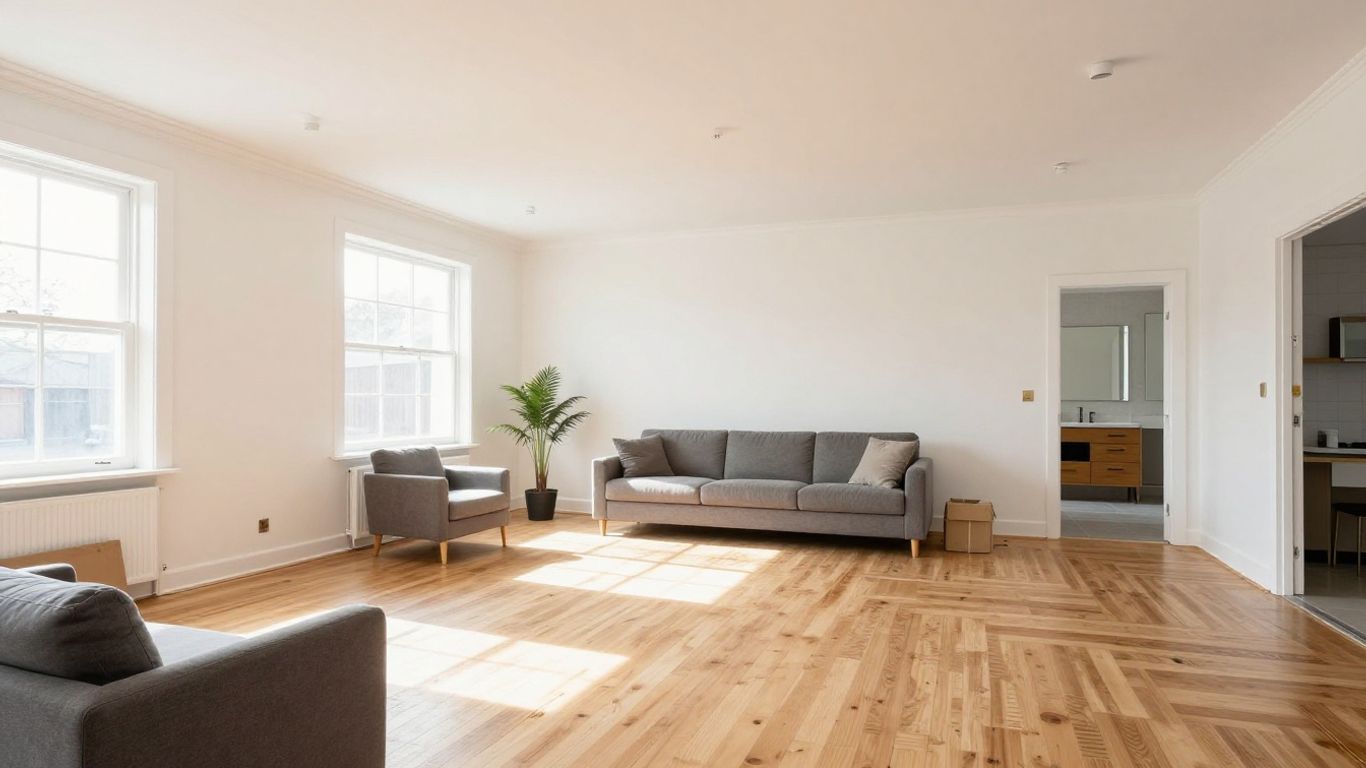
Neutral foundations like whites, soft greys, and warm beiges allow buyers to envision their own furniture, which is why it is consistently recommended for resale. Bright or trend-heavy colours can alienate a subset of potential purchasers, while a neutral backdrop keeps the appeal broad. Consider these essential finishes for your interior refresh:
- Use soft-white matte paint on high-traffic walls.
- Install light-oak or neutral vinyl wood flooring.
- Keep window treatments simple with light-filtering blinds.
- Ensure all door handles and light switches match.
These elements combined create a clean canvas that makes the home feel larger and more welcoming.
Managing building works and contractors
Efficient project management is the difference between profit and loss, particularly when holding costs are mounting. Staying on target requires a firm hand with your service providers and a clear plan for your onsite milestones.
Selecting Licensed Building Practitioners for compliance
Working only with licensed professionals ensures that your work meets current building codes, which is vital for eventual certification. This prevents the nightmare scenario where a buyer's inspector identifies non-compliant building practices, potentially invalidating your sale. Your focus should always be on quality assurance first.
Creating a strict timeline to minimise holding costs
Every day a project drags on is an extra day of interest, rates, and insurance erosion. Mapping out your timeline before the work starts allows you to coordinate tradespeople sequentially. Managing these handovers effectively ensures you are not waiting on one contractor before another can start.
Communicating project expectations clearly to tradespeople
Clear, written scopes of work leave no room for misunderstanding and help protect your budget from scope creep. Regular site meetings ensure you are aligned on expectations and can address any minor issues before they become major expenses. Professional communication sets the tone for a high-functioning site.
Monitoring health and safety standards on the worksite
Maintaining a focus on health and safety is crucial for both current legislation and personal peace of mind. A managed, clean site is almost always a productive one, reducing the risk of accidents that could lead to work stoppages. Protecting your workers and your site is a baseline requirement for any professional project.
Staging and selling for profit
Your final presentation carries the weight of the entire investment. Professional staging and high-quality photography are no longer luxuries; they are fundamental sales tools in the New Zealand real estate landscape.
The benefits of professional home staging in the New Zealand market
Staging helps buyers mentally inhabit the rooms in ways that empty houses simply cannot. It highlights scale and potential, often masking minor imperfections in flow or lighting. When buyers fall in love with the look and feel of a finished space, they are far more likely to make competitive offers.
Utilising high-quality photography and digital listing strategies
Your online listing is the first point of contact for the vast majority of purchasers. High-quality imagery, coupled with well-written descriptions, can drive significant traffic to your property during the critical first two weeks of listing. Digital strategy effectively creates FOMO when your photos capture a lifestyle rather than just a structure.
Choosing the right sales method for your property type
Whether through auction, tender, or private treaty, your sales method should be tailored to the buyer profile of the suburb. An auction can generate high energy in a hot market, while a private treaty might suit a property where a price ceiling is more uncertain. Understanding current market sentiment is a key part of the final decision-making process.
Understanding tax considerations for property traders and renovators
Treating property renovation as a business means navigating the specific tax laws regarding capital gains and income tax in New Zealand. Consulting with an expert accountant early allows you to structure your business correctly and account for your tax liabilities before the sale closes. It is much wiser to plan your financial position than to react to it after the fact.
Conclusion
Renovating for profit demands a disciplined intersection of research, financial management, and professional project execution. By treating your renovation as a serious business endeavour rather than a passion project, you can mitigate risk and maintain a focus on target margins. Successful investing involves staying informed, working with potential partners, and knowing when to enter and exit the market with your capital intact.
Frequently Asked Questions
How much should I budget for unexpected renovation costs?
Setting aside 15% to 20% of your total renovation budget as a contingency is the industry baseline for covering unforeseen structural or systemic issues that appear during work.
What is the most important room to renovate?
Kitchens often provide the highest return on investment because they serve as the central hub of a home, influencing the buyer's overall impression of the property's value.
Can I do most of the renovation work myself?
While DIY can save money on superficial updates like painting or landscaping, structural, electrical, and plumbing work in New Zealand usually requires licensed professionals to ensure code compliance.
What is the primary cause of over-capitalisation?
Over-capitalisation happens when you spend more on renovations than the resulting increase in market value, typically due to ignoring the suburb's price ceiling or choosing luxury finishes that buyers in that market won't pay for.
How long should an average renovation project take?
This varies, but a well-managed cosmetic renovation should generally be completed within 3 to 6 months to minimize the impact of holding costs like interest payments and rates.
Why does home staging impact the resale price?
Staging helps potential buyers visualise how the space should be used, creating emotional resonance and a professional feel that can significantly speed up the sales process and lead to higher offers.
How does market timing influence profit?
Buying in a market that is entering a growth cycle allows you to benefit from both the added value created by your renovations and general capital appreciation, which provides a significant buffer for your profit margins.