How to evaluate a private property investment platform in New Zealand
Key Takeaways
Evaluating a private property investment platform requires a disciplined focus on regulatory compliance, fee transparency, and operational vetting. Investors must ensure that their chosen partner aligns with both legal frameworks and long-term financial objectives.
- Prioritize platforms that strictly adhere to Financial Markets Authority guidelines and mandatory AML/CFT verification requirements.
- Analyze the total cost of ownership by distinguishing between operational management fees and performance-linked profit sharing.
- Demand high levels of project-level financial transparency to properly assess the sponsor's historical track record.
- Understand the constraints of liquidity, including holding periods, redemption protocols, and potential secondary market access.
- Leverage technology that offers real-time monitoring and seamless tax reporting to manage your portfolio efficiently.
Understanding the regulatory landscape for private property
Navigating the investment sector in New Zealand demands an acute awareness of the legal safeguards designed to protect participants. Platforms that operate with integrity typically provide clear documentation on how they satisfy local governing bodies, ensuring that the necessary protections are embedded into their investment architecture.
Compliance with the Financial Markets Authority
Operating within the New Zealand market requires adherence to strict oversight from the Financial Markets Authority. A reputable platform ensures its primary activities are transparent, protecting participants from operational risks that might arise from non-compliance. When evaluating a provider, verify that their regulatory disclosures reflect active filings and consistent adherence to mandated standards.
Understanding the Financial Markets Conduct Act 2013
The Financial Markets Conduct Act 2013 serves as the backbone of investment regulation in New Zealand. It defines the obligations around managing investor funds and the mandatory requirements for disclosure. Investors should look for platforms that explicitly outline their adherence to this act, clarifying how they perform their fiduciary duties during every capital deployment cycle.
Investor protection and disclosure requirements
Legitimate platforms must maintain an open dialogue regarding potential risks and fiscal health. Disclosure requirements are not mere formalities; they provide the data necessary to perform a rigorous analysis before committing funds. A professional-grade private property investment platform will present these details clearly, allowing you to scan for potential pitfalls in capital structures early in your review process.
Importance of AML and CFT verification processes
Anti-Money Laundering and Countering Financing of Terrorism protocols are essential components of maintaining a clean and trustworthy financial ecosystem. Platforms must rigorously verify the identity of their members to ensure overall system integrity. Engaging with a platform that has strict, automated identity protocols signals a commitment to global security standards rather than just regulatory compliance.
Analyzing fee structures and investment costs
Understanding how a platform charges for its services is critical, as fees directly erode the internal rate of return over the life of a project. Sophisticated investors should calculate the impact of both fixed annual expenses and variable costs to determine if the platform genuinely delivers value for its membership costs.
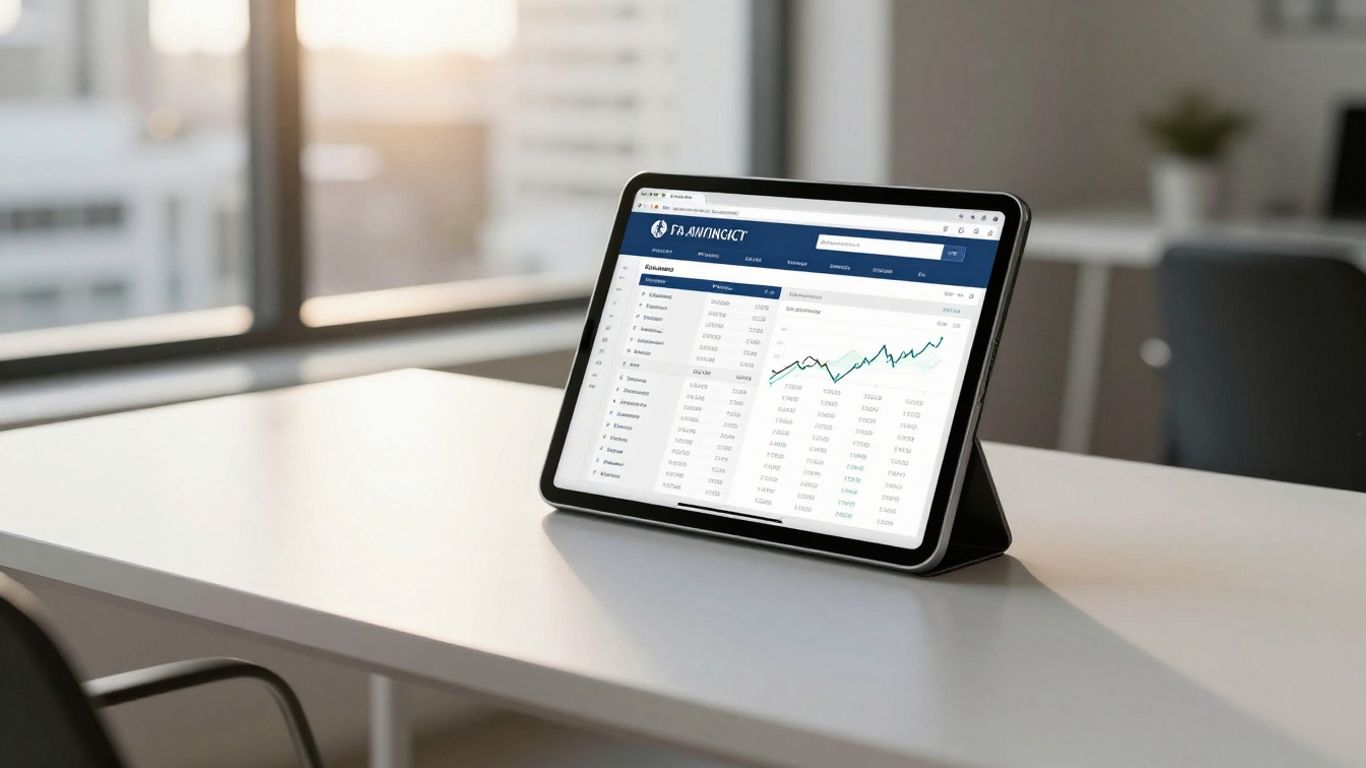
Management fees and annual operating expenses
Most platforms levy a management fee to cover the costs of asset supervision, maintenance, and administrative overhead. These expenditures appear as annual line items that reduce the net income distributed to investors. Comparing these costs across different providers helps distinguish between platforms with transparent, lean models and those with bloated operational requirements.
Understanding performance-based carry and profit sharing
Performance-based carry, or carried interest, ties a portion of the investment firm's compensation to the profit generated by the project. This aligns the manager's incentives with the investor's success, though it requires a thorough understanding of the hurdles that must be cleared before these fees are triggered. Investors should review these cascading distribution waterfall mechanics in the offering memorandum.
Impact of entry and exit fees on long-term returns
Entry and exit fees can be significant if they are structured as a percentage of gross investment rather than a flat service fee. Because these costs are front-loaded or back-ended, they can alter the effective yield you receive. Below is a breakdown of common cost categories found across various investment models to assist in your comparison.
| Cost Category | Impact Description | Typical Timing |
|---|---|---|
| Entry Commission | Usually a percentage of initial capital | At commitment |
| Management Fee | Ongoing percentage for oversight | Annually |
| Exit Incentive | Portion of final capital gain | Liquidation |
Careful review of these costs helps investors avoid overpaying for services that are not integral to property outperformance.
Identifying hidden administrative or transaction costs
Hidden expenses, such as pass-through charges for legal fees, specialized audits, or unexpected maintenance levies, can surprise an unsuspecting investor. Reviewing a sample financial report is the best way to uncover these line items. Platforms that prefer a flat membership fee often avoid these discrepancies, as FundHaus does by prioritizing direct principal-to-principal connections without intermediary-driven commission structures.
Assessing property vetting and due diligence
Due diligence is the gateway to understanding whether a sponsor has the capability to execute their stated investment strategy. Robust platforms carry out thorough reviews that go beyond physical property inspection, digging into market metrics and project-specific risk factors.
Evaluation standards for property acquisition
High-quality acquisition standards evaluate location, demographic trends, and potential for intrinsic land value growth. Sponsors must justify their entry price relative to comparable sales, providing local data that supports a conservative valuation. When evaluating a potential deal, ensure the methodology for property selection is quantitative and consistent across the sponsor's entire portfolio.
Verification of historical performance and track records
FundHaus is an introduction and information service only. Listing content is supplied by users. It does not verify, endorse or guarantee users, listings, track records or opportunities. Any checks are internal only. Users must carry out their own due diligence and obtain independent professional advice.
Transparency in project-level financial reporting
True transparency involves regular access to updated project financials, including debt service coverage ratios and projected versus actual cash flow. If a platform restricts access to this operational data, the lack of transparency should be viewed as a signal to exercise extreme caution in your allocation.
Risk management protocols for construction and development projects
Development projects carry unique risks, including labor shortages, permitting delays, and supply chain disruptions. Sponsors should offer comprehensive mitigation strategies that account for these variables, including cost-to-complete guarantees and insurance coverage. Robust risk management ensures that the contingency capital is sufficient to handle standard project variances without forcing an emergency cash call.
Evaluating liquidity and exit strategies
Liquidity is often the greatest challenge when dealing with private equity, as real assets cannot be converted to cash instantly. Investors must weigh the trade-offs between long-term appreciation and the flexibility required to exit an asset during unforeseen personal liquidity events.

Standard holding periods for private property assets
Most private property assets are designed for five- to seven-year horizons, reflecting the cycle required to maximize renovation or development gains. Investors should verify that these holding periods reflect their own financial requirements. The following list outlines considerations for managing the exit timeline:
- Review current market cycles to ensure the projected exit aligns with potential future demand for the asset class.
- Check if the governing documents allow for an extension of the holding period during poor market conditions.
- Consider the tax implications of long-term capital gains compared to short-term rental distributions.
- Assess whether the platform facilitates voting rights to influence the timing of property sales.
This structured approach ensures that you are comfortable with the duration of your capital commitment.
Secondary market options for early exit
Reliable platforms occasionally provide, or at least acknowledge, potential mechanisms for transferring interests. While true secondary markets are rare for small-scale private property, knowing if the platform facilitates direct connections between principals for interest transfers can be a valuable differentiator.
Redemption policies and waiting periods
Redemption policies define the terms under which an investor can request their capital back prior to the asset's sale. These policies often include mandatory waiting periods or "gates" that restrict outflow to ensure the project remains capitalized during difficult times. Always read the clause definitions to see if liquidity is guaranteed or subject to the sponsor's final discretion.
Contingency plans for asset liquidation
If a project fails to meet its projections, sponsors should have a predefined plan for liquidation to protect the remaining principal. Whether this involves a fire sale or a strategic refinancing, understanding the alternative exit strategy provides peace of mind throughout the investment lifecycle.
Reviewing platform technology and investor experience
Technology should remove friction from the investment process rather than simply digitizing traditional paperwork. An intuitive portal helps investors maintain oversight of their assets, ensuring they remain informed about their portfolio's health in real-time.
Clarity of real-time portfolio tracking tools
Effective dashboards provide immediate visibility into valuation adjustments, rental yields, and the current payment status of all holdings. If an investor cannot easily monitor the performance of their commitment, they lose the ability to make data-driven decisions regarding when to reinvest or reallocate capital.
Ease of accessing tax documentation and annual statements
Tax season can become an administrative burden if a platform does not automate the distribution of annual statements and individual partnership tax filings. Top-tier providers prioritize the seamless delivery of these documents via a secure portal, ensuring that investors spend less time gathering data and more time analyzing their overall growth.
Integration with banking and digital payment systems
Automation of fund transfers and dividend distributions is a standard expectation. Integration with common banking systems allows for faster capital deployment, effectively reducing the time cash remains stagnant in non-interest-bearing accounts. This efficiency is critical for investors who manage multiple portfolio segments simultaneously.
Mobile platform functionality for on-the-go management
Mobile accessibility allows for quick responsiveness to investment updates or deal notifications. While robust research is best conducted on a desktop, the ability to manage accounts and view balance updates via a tablet or mobile device adds a necessary layer of convenience for active, time-constrained professionals.
Determining suitability for your investment profile
Your strategy should be tailored to your risk tolerance, liquidity needs, and financial goals. Investors should approach real estate crowdfunding platforms as one component of a broader allocation strategy rather than an isolated speculative bet.
Matching asset classes to your risk tolerance
Risk tolerance varies from conservative income-producing commercial assets to higher-risk value-add residential developments. Matching your asset selection to your financial temperament ensures you do not feel undue stress if a project faces typical market cycles or temporary performance dips.
Minimum capital requirements for retail vs wholesale investors
Different tiers of investors often face different minimums, which can influence your potential deal selection. Whether you qualify as a retail or wholesale participant, verify that your minimum commitment allows for meaningful diversification across multiple projects, as this is the most reliable way to mitigate project-specific risk.
Opportunities for portfolio diversification
Diversifying across sectors, geographic markets, and sponsors is fundamental to long-term wealth preservation. A flexible platform should allow you to participate in various projects, gradually spreading your risk across different economic regions and property types to avoid overexposure to a single market trend.
Scalability of investment as your portfolio grows
As your capital base increases, your platform requirements will likely evolve. You should choose a partner that accommodates large-scale deployments and offers consistent service quality, regardless of the size of the investment. Scalability ensures that you can grow your wealth with independent due diligence and professional advice without needing to constantly find new platforms as your account balance changes.
Conclusion
Successful private property investment requires a careful balance of regulatory awareness, rigorous vetting, and a clear understanding of your own liquidity needs. By focusing on firms that prioritize transparency and direct interaction, investors can bypass many of the common pitfalls associated with third-party intermediaries and fragmented reporting. Whether you are funding your first deal or consolidating a larger portfolio, maintaining a focus on performance, compliance, and technological efficiency will serve as your best protection.
Frequently Asked Questions
What are the main benefits of investing in private property versus listed real estate?
Private property investments often provide direct ownership stakes in specific assets, which can offer greater control and potential for higher capital appreciation compared to the diversified, liquid nature of listed real estate investment trusts.
How does an investor perform due diligence on a property that is not publicly listed?
Due diligence involves reviewing third-party appraisals, inspecting the sponsor's project history, analyzing detailed financial ledgers, and understanding the legal nuances of the debt and equity structure underlying the private offering.
What does it mean for an investment to be asset-backed?
An asset-backed investment is one where your capital is linked to a tangible physical asset, such as a building or land development, which serves as security for the funding provided to the project sponsor.
Should I worry about the liquidity of my capital in private property?
Liquidity is naturally lower in private property compared to public stocks, so investors should only commit capital they do not require immediate access to for the duration of the project's specified holding period.
How do annual management fees affect my long-term returns?
Management fees act over time to reduce the compounded yield of your investment; consistently high fees relative to performance can significantly diminish the net capital accumulated by the end of a project's life.
What role does the regulatory environment play in my protection as an investor?
Regulatory frameworks like the FMCA 2013 ensure that platforms provide adequate disclosures, maintain accurate financial records, and follow security protocols that protect your capital from fraudulent activities and mismanagement.
How can I verify that my investment is truly diversified?
True diversification is achieved by spreading your investment capital across different geographic locations, various asset classes, and multiple project sponsors, ensuring that the poor performance of a single property does not jeopardize your total portfolio health.