Property Development Finance in New Zealand
Key Takeaways
Navigating property development requires a firm grasp of available capital structures and the specific requirements of lenders operating within the sector. Strategic financial planning, from early-stage acquisitions to project exit, remains essential for success in this market.
- Understanding the distinction between construction loans and standard investment mortgages.
- Identifying the specific role of non-bank liquidity in scaling development projects.
- Maintaining high standards of project feasibility to satisfy lender requirements.
- Managing capital costs through robust contingency planning and expense oversight.
- Accessing alternative capital sources to bridge funding gaps without relying on traditional banks.
Understanding property development finance in New Zealand
Defining development loans versus traditional mortgages
Traditional home loans are based primarily on existing assets and personal income, whereas development finance is structured around the future value of a project yet to be completed. Lenders in this space examine the underlying business case of the proposed build alongside the developer's experience rather than focusing solely on historic cash flow. Developers must distinguish these products as they necessitate more flexible servicing arrangements.
When developers typically require specialized financing
Specialized financing becomes necessary when requirements exceed standard products, such as during large-scale residential subdivisions or commercial builds. These projects often involve multiple stages that require staged drawdowns rather than a single lump-sum payout. Developers who utilize FundHaus can streamline access to private capital pools tailored for these specific project phases.
The role of non-bank lenders in the NZ market
Non-bank lenders have become a primary segment of the market, offering specialized solutions where traditional institutions are often constrained. These lenders, like ASAP Finance, provide faster turnaround times and more bespoke loan terms by focusing on the security of the development site itself. This agility allows for progress on projects that might otherwise stall under rigid institutional policies.
How the regulatory landscape impacts development funding
Regulation governing lending and residential developments, such as the NZ Property Investor Rulebook 2026, directly shapes the availability of credit and the cost of debt. Compliance requirements regarding council zoning, environmental standards, and financial disclosure significantly influence how lenders assess the risk profile of a development. Staying updated on these changing standards is a cornerstone of maintaining project viability.
Types of property development finance
Residential subdivision and construction loans
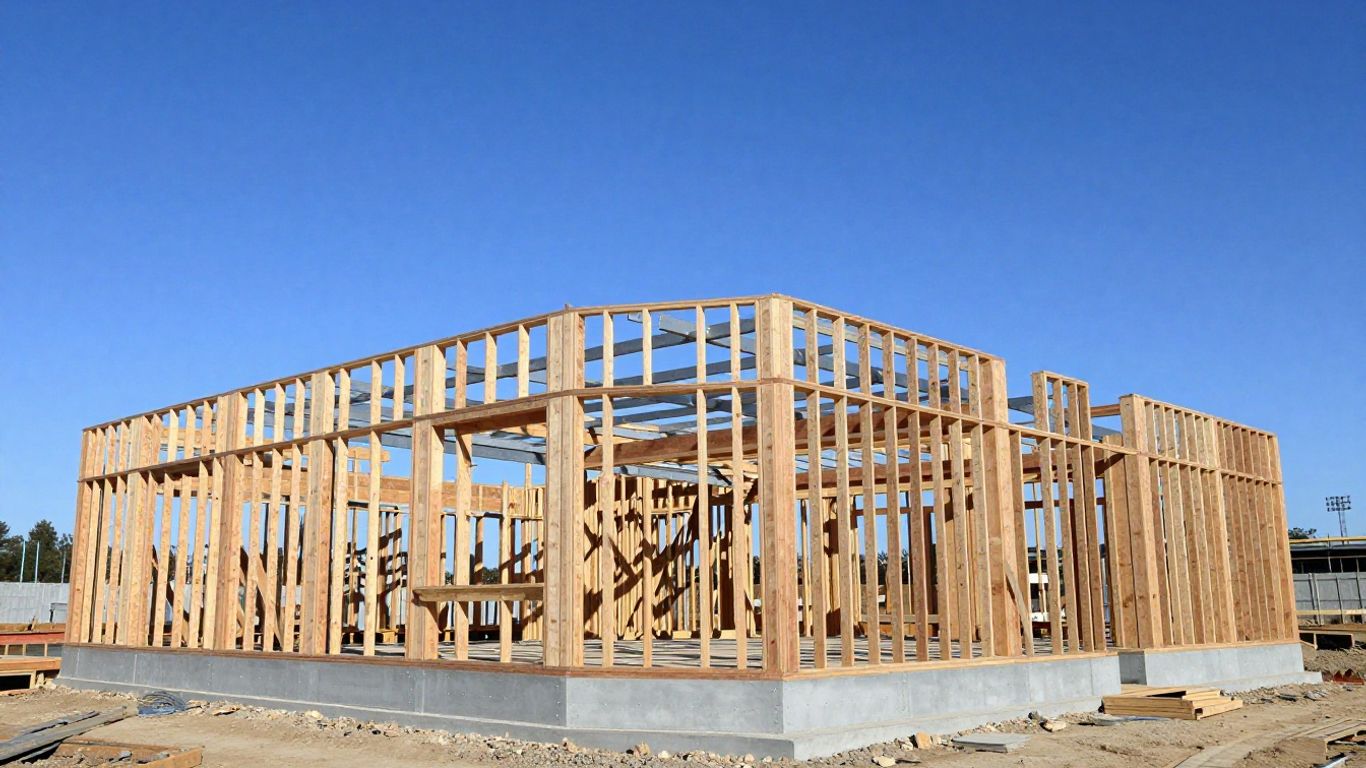
These facilities fund the physical creation of housing stock, covering land acquisition costs and the subsequent building phase. Developers rely on these products to bridge the financial gap from a raw section through to the delivery of completed dwellings. Because builders carry significant overheads, securing appropriate funding early is critical.
Commercial development finance options
Commercial funding involves unique scrutiny regarding tenant pre-commitments and long-term lease viability. Loans in this category are designed to manage the complexities of commercial occupancy cycles, often featuring longer terms to ensure repayment aligns with the rental income generating capacity of the property. Financing providers often request detailed market analysis to ensure the commercial property will attract tenants upon completion.
Mezzanine finance and second mortgages
When project costs exceed the primary debt facility, developers often resort to secondary tranches of capital. Understanding the nuances of first and second mortgages is vital for structuring these deeper capital stacks efficiently.
| Facility Type | Typical Priority | Relative Risk | Typical Interest Rate Range |
|---|---|---|---|
| Senior Debt | First | Low | 7% - 10% |
| Mezzanine Debt | Second | Moderate-High | 12% - 18% |
| Equity Capital | Last | Very High | Variable (ROI based) |
This tiered approach allows developers to retain a greater portion of equity while still fulfilling the funding requirements for project completion.
Joint venture opportunities for property projects
Collaborative structures provide a way to pool knowledge and capital between two or more parties. By sharing the risks associated with larger developments, partners can access larger facilities and distribute the burden of capital contributions. Using FundHaus can help investors identify potential partners who bring complementary experience and financial resources to specific asset classes.
Eligibility and developer requirements
Assessing developer experience and track record
Lenders prioritize developers who demonstrate a proven history of delivering projects on time and within budget. This performance history suggests that the developer understands the pitfalls of site management and consultant coordination, which reduces the chance of default. A solid record is often the decisive factor when lenders negotiate the final interest rates for a new development loan.
Project feasibility and pre-sale requirements
Feasibility studies form the backbone of any funding application, outlining projected costs, timelines, and expected sales revenues. Many lenders set minimum pre-sale thresholds, requiring a certain percentage of the development to be under contract before drawdown begins. Demonstrating this sales velocity helps prove market demand and de-risks the capital investment provided by the lender.
Credit history and financial standing
Personal and corporate financial standing remains under scrutiny regardless of the project's quality. A developer's current liquidity and debt obligations are reviewed to ensure that unexpected project costs won't lead to personal insolvency. Maintaining a clean financial record is one fundamental pillar of securing financing across the industry.
Equity contributions and loan-to-cost ratios
Equity acts as the developer's skin in the game, providing a buffer that protects the lender from market downturns. Developers should be prepared to observe the following standards regarding contributions:
- Cash equity of at least 20-30% of total project costs is standard.
- Land value can occasionally count toward total equity requirements.
- Detailed cost breakdowns are required to justify the loan-to-cost ratio.
- Documentation of liquid assets is mandatory for initial approval processes.
Adherence to these standards ensures that the developer has a long-term commitment to seeing the project finished rather than simply offloading risk to the lender.
The application and approval process

Preparing a professional development feasibility study
A professional feasibility study must detail all variables, including construction methodology, local council requirements, and budget variances. This document serves as the roadmap for the lender, clearly illustrating how the project moves from conception to completion. Precision in these projections is what differentiates professional developers from less experienced operators.
Navigating valuation reports and quantity surveyor sign-offs
Independent valuation is critical to determining the loan-to-value ratio, while a reputable quantity surveyor confirms the budget estimates are achievable. Lenders utilize these experts to verify that the project is not fundamentally over-leveraged compared to its actual market value in the current economic landscape. Clear, transparent reporting here simplifies the approval journey significantly.
Managing the due diligence and settlement timeline
FundHaus is an introduction and information service only. Listing content is supplied by users. It does not verify, endorse or guarantee users, listings, track records or opportunities. Any checks are internal only. Users must carry out their own due diligence and obtain independent professional advice.
Overcoming common hurdles during the loan approval stage
Delays often occur due to incomplete documentation or issues identified within the site's title. Addressing these problems before submitting a full application can prevent unnecessary stalls in the approval timeline. Proactive communication with the lender regarding identified risks usually results in a more favorable reception.
Managing costs and interest rate structures
How interest is calculated on development facilities
Interest is typically calculated on the daily balance of drawn funds rather than the entire facility limit. This means developers pay only for the capital they have actually utilized at any given point in time. Understanding this calculation is essential for managing the project's overall cash flow budget throughout the construction process.
Understanding establishment fees and line fees
Beyond core interest, lenders apply establishment fees and line fees to cover the costs of facility administration and commitment. While establishment fees are one-off, line fees are often applied to the undrawn portion of a facility. Negotiating these costs requires an accurate assessment of the planned drawdown schedule, ensuring the developer isn't paying for liquidity they don't yet require.
Contingency budgeting in a high-inflation environment
Building costs can fluctuate significantly, making contingency funds more important than ever. A standard budget should include a significant buffer for material price increases and labour shortages. Protecting a project's financial integrity requires that this contingency fund is strictly accounted for in the initial facility application.
Strategies to mitigate ongoing financing costs
Reducing the duration of a loan is one of the most effective ways to lower total interest costs. This is often achieved through efficient site management and rapid delivery times that enable early project completion. Developers who coordinate their sub-contractors effectively ensure fewer delays, which in turn keeps the financing clock moving toward the project's final exit as quickly as possible.
Managing risks in the New Zealand property market
Dealing with construction delays and supply chain issues
Supply chain disruptions remain a recurring challenge regardless of the builder's efficiency. Developers are increasingly incorporating clauses into construction contracts to mitigate the legal and financial impact of these unforeseen events. Keeping an open dialogue with the project financier regarding progress updates helps maintain trust and keeps the financing facility active despite delays.
Impact of market fluctuations on property valuations
Property values can move unexpectedly, particularly during longer-term commercial development projects. Developers mitigate this by keeping a close watch on regional market indicators versus their initial valuation assessments. If a valuation trends downward, the developer must be ready to inject additional equity to maintain the required financial ratios for the facility.
Compliance with local council regulations and zoning
Failure to properly manage zoning permits or resource consents is a common cause for project failure. Regional differences in local council requirements mean that a strategy which works in one part of New Zealand may be unsuitable in another. Engaging local experts, such as Fortis Capital, helps ensure compliance is managed with regional expertise during the planning phase.
Developing effective exit strategies for completed projects
An exit strategy defines how the loan will be repaid, usually through the sale of completed units or the refinancing of the asset into long-term investment debt. Successful developers ensure their exit strategy is viable even if market conditions shift by completion. Keeping options open until the market conditions are clarified is a hallmark of sophisticated project management.
Conclusion
Securing appropriate capital is the single most important factor in transforming a development concept into a finished piece of real estate. By prioritizing financial transparency, maintaining accurate feasibility studies, and aligning with experienced funding partners, developers can successfully navigate the complexities inherent in property development finance.
Frequently Asked Questions
What is the typical timeframe required to secure development finance?
Approval timelines vary significantly based on the lender's processes and the complexity of the project, often ranging from several days to a few weeks for initial facility approval.
How does a loan-to-value ratio impact project funding?
The LVR acts as a buffer for the lender, determining how much debt they are willing to provide relative to the asset's current valuation, which dictates how much equity the developer must contribute.
Are interest-only payments common in development finance?
Yes, as many projects do not generate income during the construction phase, interest-only facilities are the standard structure, with the principal repaid at the project's exit point.
Can developers fund commercial and residential projects under one facility?
Most lenders prefer to separate these as the risk profile and security requirements for residential are distinct from the specific tenant dependencies found in commercial asset classes.
What role does a quantity surveyor play in the loan lifecycle?
They provide a professional, independent assessment of the budget and construction progress, ensuring that funds released by the lender strictly align with the milestones achieved on site.
Do non-bank lenders usually require personal guarantees?
In most instances, yes, as financiers looking to manage their risk exposure expect the developer to personally commit to the project's success, reinforcing the developer's responsibility for the loan.
How should a developer prepare for rising interest rates?
Developers often utilize hedging strategies or build larger contingency buffers into their feasibility projections to ensure that increased borrowing costs do not compromise the overall profitability of the project.